
Food in Vanuatu: Discover Traditional Island Flavours and Local Dining
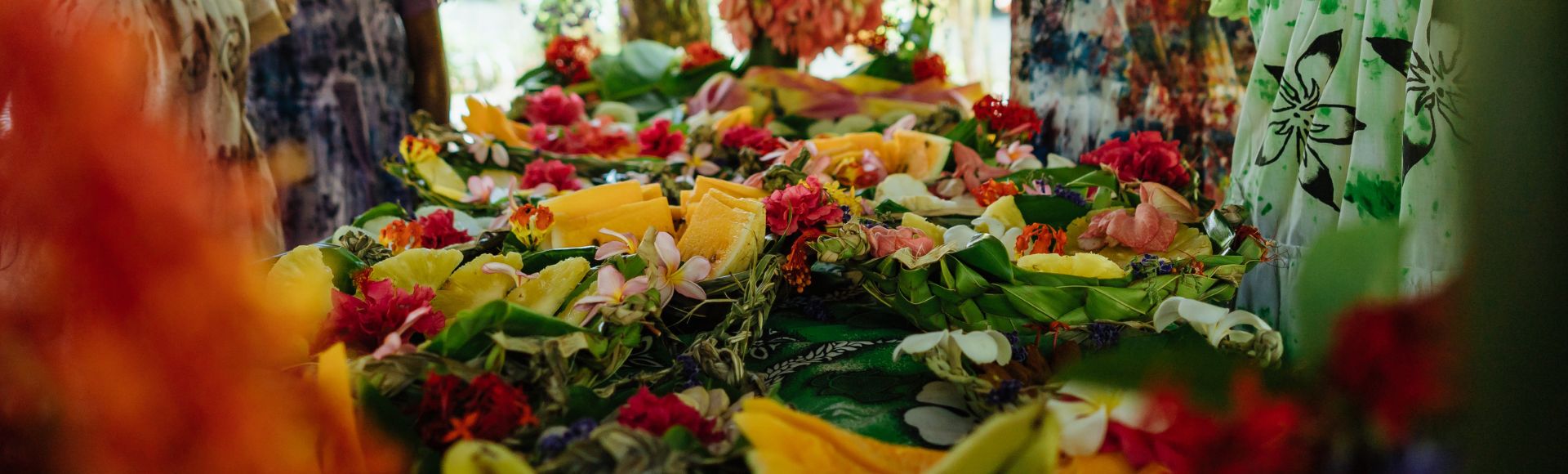
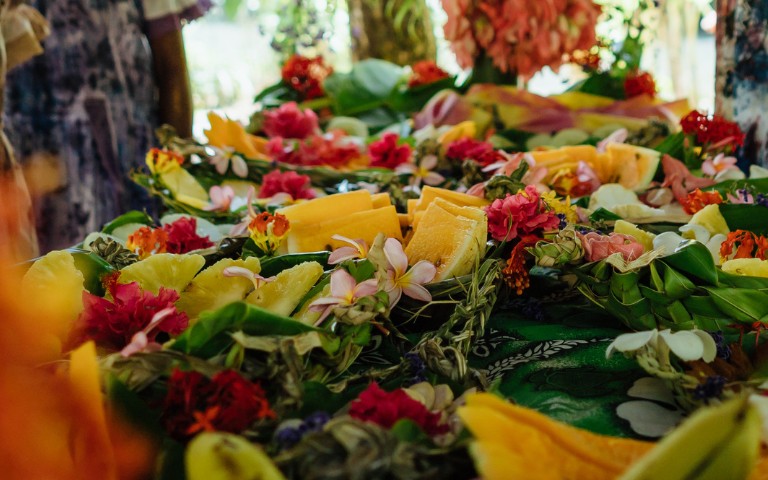
Tasting local dishes is one of the most meaningful ways to understand Vanuatu’s island culture. Vanuatu’s cuisine is shaped by both land and sea, drawing on ingredients grown locally or caught fresh each day. Fish, root vegetables and tropical produce form the backbone of many meals, prepared using time honoured techniques passed down through generations. Across the islands, food reflects a deep connection to place, tradition and community. From village feasts cooked in earth ovens to relaxed waterfront dining, this guide explores the heart of Vanuatu’s cuisine, the traditional food worth trying and the best places to enjoy memorable dining experiences throughout the islands.
What defines Vanuatu’s cuisine?
Vanuatu’s cuisine is simple, seasonal and deeply connected to place. Rather than heavy sauces or elaborate techniques, island cooking focuses on natural flavours and practical methods shaped by daily life. Meals are often prepared with what’s available and rely on shared knowledge rather than written recipes or precise measurements. This flexible approach reflects a food culture built around community, tradition and sustainability, where cooking is as much about connection as it is about nourishment.
Food is woven into everyday life and community. Meals are often prepared and shared together, whether enjoyed in a village home, at a bustling local market or in one of the many relaxed restaurants across the islands. Cooking and eating are social activities, shaped by a strong sense of hospitality where welcoming others is part of daily life rather than a special occasion. For visitors, these shared food experiences offer a genuine way to connect with local culture and everyday island life.

Local ingredients and island flavours
Vanuatu’s cuisine is built around a small collection of ingredients valued for their nourishment and adaptability. Root vegetables such as taro, yam and cassava play a central role in everyday meals, providing substance and comforting flavour. Coconut is essential and used generously as cream, milk or grated to enrich dishes while allowing other ingredients to remain balanced and distinct. These staple ingredients are easy to grow and adapt, making them well suited to seasonal island cooking. Together, they form the base of many everyday meals found across villages, markets and local restaurants.
Seafood is also central to island cooking, particularly in coastal communities. Reef fish, tuna, lobster and prawns are commonly grilled, baked or gently cooked with coconut cream, often seasoned simply with salt, citrus or local greens. These dishes offer an authentic taste of island life, best enjoyed fresh by the water in coastal villages or at laidback restaurants.

Traditional cooking methods
Many of the most memorable traditional dishes in Vanuatu are defined by how they’re cooked. Earth ovens, known locally as umu, are still widely used for celebrations and village gatherings. Ingredients are wrapped in banana leaves and slow cooked over hot stones, producing tender textures and subtle smoky flavours that can’t be recreated with modern appliances. Open fire cooking, steaming and boiling are also common and reflect a practical and sustainable approach to food. Observing these traditional cooking methods offers a glimpse into everyday island life, shaped and shared across generations. You’ll encounter umu cooking during cultural experiences, village visits or special resort events, where the preparation is just as meaningful as the meal itself.

Traditional foods you should try
Trying the traditional foods of Vanuatu can be one of the most rewarding parts of any visit. Traditional dishes such as laplap, coconut crab and manioc pudding focus less on presentation and more on culture, shared history and a deep connection to the islands. Traditional dishes tend to be hearty, balanced and satisfying, designed to sustain daily life rather than impress through presentation.
Laplap
Often prepared for celebrations and shared feasts, laplap is as much a cultural experience as a meal. It is made by slow-cooking grated root vegetables mixed with coconut cream, wrapped in banana leaves. Laplap contains pork, chicken or fish depending on the occasion or region. You may find it at local markets and occasionally on menus at restaurants, particularly those that focus on traditional or locally-inspired cooking. Laplap is widely recognised as Vanuatu’s national dish and one of the most iconic examples of Vanuatu’s traditional food. Trying laplap offers you an authentic introduction to Vanuatu’s food culture and the traditions that shape island life.

Lobster, poulet fish and coconut crab
The seafood in Vanuatu offers some of the freshest, most distinctive ocean flavours in the Pacific. Thanks to the island’s volcanic soils and pristine waters, local favourites like lobster, poulet fish and coconut crab are caught daily and cooked within hours, giving the dishes an unmatched sweetness and tenderness. The seafood is often grilled, steamed in banana leaves or simmered with coconut milk. To complete the meal, seafood is commonly served with steamed or boiled root vegetables such as taro, yam, and cassava along with island cabbage and leafy greens. These mild, earthy sides balance the clean ocean flavours and reflect the everyday cooking traditions of the islands. With the special techniques that bring out subtle flavours that don’t survive export, this freshness allows delicate ocean flavours to shine, creating dishes that feel light, clean and naturally balanced. This means that you can experience seafood exactly as locals do — fresh, simple and straight from the source.

Tropical fruits, coconut rice and manioc pudding
Day-to-day meals in Vanuatu often include naturally sweet ingredients that bring warmth and comfort to everyday cooking. Tropical fruits including banana, papaya and pineapple add natural sweetness, enjoyed fresh or used to balance savoury dishes depending on the region. Sweet everyday dishes such as coconut rice, cooked slowly in coconut milk until creamy and manioc puddings made from grated cassava are common in daily meals, appreciated for their simplicity and light sweetness. Valued for being affordable, widely available and easy to prepare, these foods are the core of everyday island living. When these elements come together, they create meals that taste as warm and genuine as Vanuatu itself.

How Vanuatu’s food is enjoyed today
While traditional cooking remains central to island life, food in Vanuatu has evolved alongside modern travel and tourism. In towns and resort settings, familiar local flavours are often enjoyed in relaxed, contemporary dining environments that still use traditional ingredients and techniques. Across the islands, classic dishes sit comfortably alongside international influences, creating a style of cooking that feels both familiar and refreshed. As a result, you can enjoy the traditional food of Vanuatu while still tasting the familiar flavours of home.
Vanuatu’s restaurants and dining experiences
Dining out is a relaxed and enjoyable way to explore island flavours, with options ranging from casual market stalls to refined waterfront venues. The Port Vila Market is commonly associated with freshly prepared local food, particularly around lunchtime, in an informal and busy setting. Along the waterfront and on the islands, you’ll find casual cafés, family run restaurants and resort dining venues offering everything from fresh seafood to modern cuisine, often paired with harbour views and relaxed island atmospheres.
Resorts across Vanuatu offer more than just meals — they create dining experiences that connect you with the islands’ culture and surroundings. At Iririki Island Resort & Spa, you can enjoy a generous Melanesian buffet dinner, while a stay at Exclusive Sunrise Resort offers the chance to take part in a traditional kava ceremony or a romantic private dinner right on the beach. On Ratua Private Island Resort, you can even join a crab hunting excursion and enjoy your catch the following day. No matter where you stay, Vanuatu invites you to discover its culture through flavours, traditions and memorable island dining.

Dining experiences to add to your Vanuatu holiday
Vanuatu also offers hands on food experiences that go beyond dining, giving you the chance to actively take part in local traditions. Participating in food preparation, sharing meals and learning about local ingredients will become a highlight of your trip. These moments reveal the communal nature of Vanuatu’s cuisine, showing how food is used to bring people together and pass down traditions. Markets offer insight into daily island life, while village visits often include shared meals prepared using traditional methods, giving you a deeper understanding of how food shapes community. By taking part in these experiences, you’ll gain a fuller appreciation of how food shapes daily life and community across the islands.

Why Vanuatu’s cuisine belongs on your holiday itinerary
From earth oven feasts to fresh seafood enjoyed by the sea, Vanuatu’s cuisine tells the story of the islands and the people who call them home. Whether you’re sampling the traditional food of Vanuatu, dining at restaurants in Port Vila or enjoying modern island flavours, food becomes an essential part of the journey.
Stop dreaming and start holidaying — unforgettable dining experiences await as part of a perfectly packaged My Vanuatu holiday.
Tags: Culture, Experiences, Guide, Vanuatu
Categories : Travel
Share to
Facebook
X
LinkedIn
Email